

How to Digitize Your SOPs Without Disrupting FDA-Validated Processes
In the fast-evolving world of cell and gene therapy, operational efficiency is more than a business goal, it’s a patient safety imperative. Yet, for many CDMOs, CMOs, and biotech companies, the idea of digitizing Standard Operating Procedures (SOPs) triggers a common concern: “What if we disrupt what’s already FDA-validated?” The Challenge Manual SOP management remains the norm in many facilities. Paper binders, siloed spreadsheets, and inconsistent updates can create delays, increase the risk of errors, and complicate audits. While digitization promises efficiency and enhanced traceability, the fear of invalidating FDA approvals often slows progress. Consider this: an operator spends 20–30 …

5 Questions Every Cell Therapy Organization Should Ask Before Their Next FDA Audit
Preparing for an FDA audit in cell therapy isn’t just about documentation, it’s about readiness across people, processes, and technology. For patients whose treatment depends on precise, time-sensitive coordination, every operational detail matters. A single delay in scheduling, a missing timestamp, or an outdated SOP can extend a patient’s wait for a therapy they urgently need. In recent years, our team at Pragmatrix has observed one pattern across CMOs, CDMOs, and therapy developers: successful audits don’t happen in the audit room. They happen in the months leading up to it – inside workflows, touchpoints, and systems that either support teams …
Manual Processes in Cell Therapy: Small Delays, Real Consequences
In cell therapy, time is not an operational metric, it is a part of patient care. Every hour spent reconciling spreadsheets, coordinating by email, or verifying data manually is an hour a patient waits for treatment that could change their life. Across our work with cell therapy organizations, we’ve seen a recurring pattern: operational delays rarely begin with major breakdowns. They begin with small manual tasks – updating a batch record by hand, searching for a storage location, clarifying a label, confirming a shipment, checking whether all SOP steps were completed. Each task seems manageable in isolation. Together, they create …

Collaborative CGT Supply Chains: Improving Coordination, Compliance, and Visibility
The cell and gene therapy (CGT) industry is moving toward a future where coordination, not just capability, defines success. As therapies scale, organizations across the supply chain are discovering an essential truth: no single stakeholder can operate independently. Manufacturers, clinics, couriers, quality teams, and sponsors all contribute to a treatment journey that must be carefully aligned, compliant, and predictable. Yet despite the industry’s progress, collaboration remains one of the toughest challenges in CGT operations. Variations in scheduling, inconsistent documentation, and manual SOP execution often create administrative delays that limit therapy availability. When each stakeholder works in its own system, even …

Why Modular Software Architecture Is Becoming Essential for Cell Therapy Operations
The cell and gene therapy industry operates under a unique set of pressures. Every organization has distinct workflows, different regulatory requirements across regions, and specific operational processes that have been validated over years. Yet many software solutions on the market today force companies into a difficult choice: adopt a rigid, one-size-fits-all platform, or piece together multiple disconnected systems that create data silos and compliance gaps. Neither option serves the patient-centric mission that drives this industry forward. The Challenge: Complexity Without Flexibility GMP manufacturing environments are inherently complex. A CDMO managing multiple client programs needs different capabilities than a biotech running …

Cell and Gene Therapy Trends for 2026: Navigating the Evolution of Advanced Therapeutics
By the end of 2026, the way we manufacture cell and gene therapies will look fundamentally different than it does today. Not because of scientific breakthroughs alone, but because operational realities are forcing a transformation that’s long overdue. The cell and gene therapy (CGT) landscape stands at a pivotal moment. With over 3,700 therapies in clinical and preclinical development and 76 products already launched globally, 2026 promises to be a defining year where innovation meets operational reality. For patient-centric organizations, CMOs, and CDMOs, understanding these emerging trends is not just about staying current, it’s about positioning your operations for sustainable …
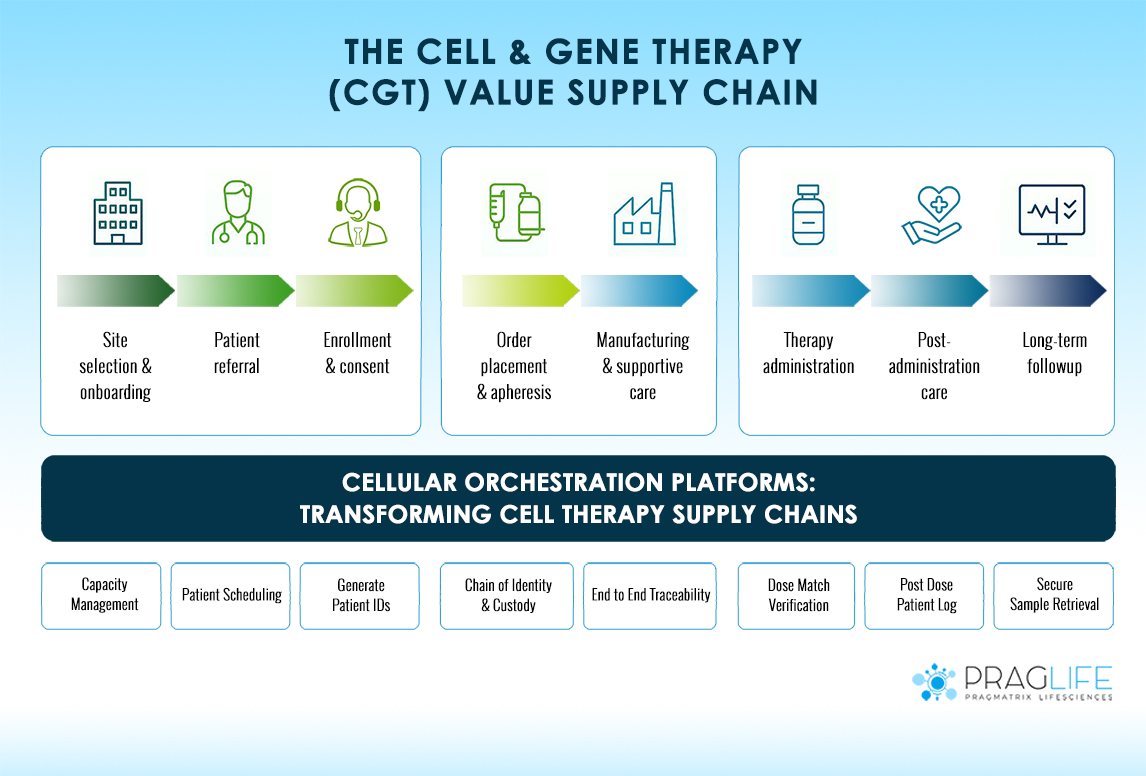
Why Cell Therapy Supply Chains Need Cellular Orchestration Platforms
The cell and gene therapy (CGT) landscape has evolved dramatically over the past decade. With over 3,000 clinical trials worldwide and commercial therapies reaching patients at unprecedented speed, the industry faces a critical challenge orchestrating increasingly complex supply chains that span continents and involve multiple stakeholders. Unlike traditional pharmaceuticals manufactured in standardized batches, cell therapies follow a personalized model where each treatment is unique to one patient. This fundamental difference creates cellular orchestration challenges that traditional supply chain management approaches simply cannot address. The Complexity Challenge in Cell Therapy Supply Chains Cell therapy supply chains operate fundamentally differently from conventional …
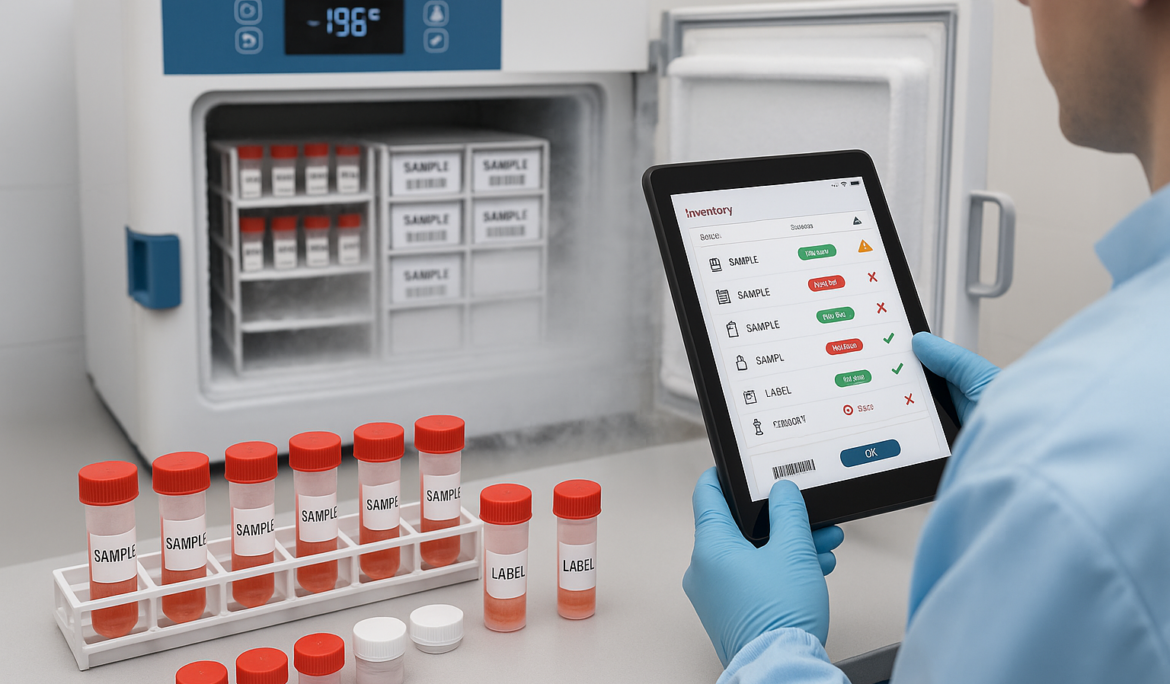
7 Critical Ways Sample Inventory Management Systems Enhance Biological Sample Traceability and FDA Audit Readiness
In the highly regulated world of cell and gene therapy, maintaining impeccable sample traceability and audit readiness isn’t just good practice – it’s essential for patient safety, regulatory compliance, and therapeutic success. As biological samples become increasingly valuable and personalized therapies more common, the stakes for error-free inventory management have never been higher. The Growing Challenges of Biological Sample Management According to recent industry data, specimen loss rates hover around 0.002%, which may seem small until you realize this translates to thousands of mishandled samples monthly across healthcare systems. Each lost sample represents not just a logistical failure, but potentially …
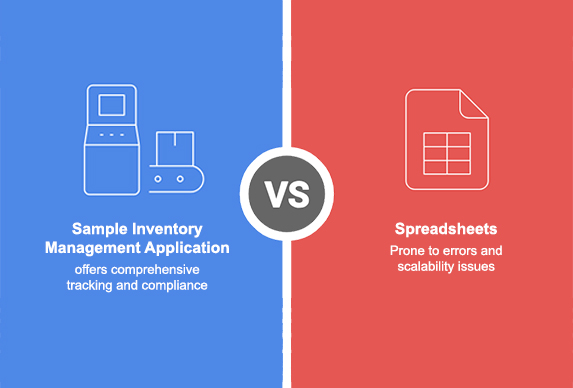
Spreadsheets Vs. Sample Inventory Management Systems: A Comparative Guide for Managing Biological and Cell Therapy Sample Data
In the highly regulated world of life sciences and cell therapy, proper inventory management of biological samples isn’t just good practice it’s critical for patient safety, regulatory compliance, and operational success. Organizations working with biological materials face unique challenges that demand robust solutions beyond what conventional tracking methods can offer. This guide provides a thorough comparison between traditional spreadsheet-based inventory management and specialized sample storage inventory systems designed specifically for GMP-regulated environments. Understanding these differences is crucial for organizations seeking to enhance their sample management processes while maintaining FDA compliance. The Current Landscape of Sample Management in Life Sciences Many …
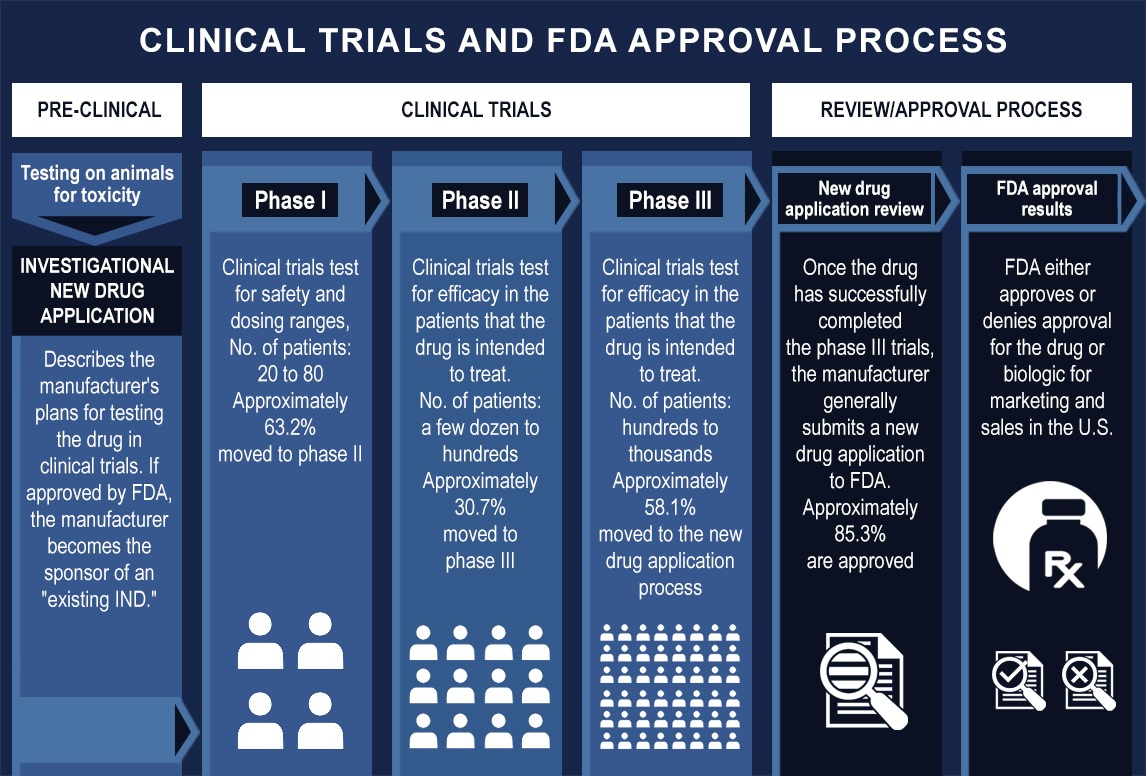
How a Sample Inventory Management System Supports Scaling from Phase I to Commercialization
In the world of cell and gene therapy, growth is both the goal and the challenge. Early-stage biotech companies begin with a handful of samples, managed in spreadsheets and tracked manually. But what happens when your promising therapy enters Phase II, scales to multi-site trials, and eventually moves toward commercialization? The complexity of managing biological and cell therapy samples grows exponentially, and manual processes simply can’t keep up. This is where a scalable sample inventory system, implemented step by step becomes essential for managing biological and cell therapy samples. In this use case deep dive, we explore how the right …